When the Association for Active Development started talking about the European Youth Village eight years ago, Victor Toma heard the same question over and over: “But why bother with young people in rural areas? They’re all leaving anyway.”
Here’s the reality check: 60% of young people between 14 and 18 live in rural areas, not cities. The problem isn’t that they’re leaving—it’s that opportunities never reach them in the first place.
The European Youth Village isn’t your typical “let’s do a workshop and call it a day” program. This is a title that groups of young people from villages actually compete for—they apply, they fight for it, and they build concrete action plans to win it. And it works because it gives young people something powerful to look forward to: a future they can shape and a community that backs them up.
A Change in Perspective
“So many young people tell us the same thing: I used to be embarrassed to say I’m from a rural area. But after joining the European Youth Village community? Now I tell everyone, everywhere I go—and I’m proud of it,” Victor says, with obvious enthusiasm.
The numbers speak for themselves: 22 communes across Romania have earned the title so far. The impact? Active youth centers popping up everywhere (over 15 nationwide), more than 350,000 euros secured by youth groups through European grants, young people throwing their hats in the ring for mayor, and get this—participatory budgeting in Sâncraiu commune, Cluj County. That’s something even major cities haven’t managed to pull off.
How Does It Actually Work?
It starts with young people taking a hard look at their own community. They identify the problems, have real conversations with friends, family, and neighbors. Then they roll up their sleeves, create an action plan, and compete for the title. But here’s the catch—they don’t go at it alone. The application needs a letter of support from the mayor’s office, a commitment that local authorities will actually help make these young people’s plans happen.
“That’s exactly why we created the European Youth Village title—to give young people a direct line to decision-makers,” Victor explains. And it’s working: communes are setting up youth forums, establishing advisory councils that work right alongside the Local Council.
The Poiana Story: When Teenagers Refuse to Back Down
In Poiana commune, Galați County, young people had had enough. Enough of the ancient, falling-apart minibuses to Tecuci. Enough of aggressive drivers. Enough of schedules that made no sense. So they launched an advocacy campaign.
The pushback was fierce—minibus drivers ended up threatening them.
Did that stop them? Absolutely not. They kept pushing, kept organizing, kept demanding change. And they won. The entire fleet got replaced. New schedule. New drivers. Complete overhaul.
“Sixteen, seventeen, eighteen-year-olds are literally transforming entire communities,” Victor says, and you can hear the pride in his voice.
The success stories keep coming. In Slimnic, Sibiu County, young people convinced the County Council to put real money behind rehabilitating a building for a youth center. And Sâncraiu? Starting in 2026, they’re getting participatory budgeting. Victor can barely contain his excitement: “Cities and municipalities don’t have this, and Sâncraiu—a village—is making it happen!”
RAF Support: When Volunteers Become Professionals
RAF is backing the mentoring core of the program—alumni from winning groups now guide the newcomers. “These mentors were doing this as volunteers while juggling other jobs,” Victor explains. Now they’re pai and can dedicate real, consistent time to shepherding new initiative groups through the process.
Marius is one example—former youth group coordinator who even ran for mayor. Now he’s helping other young people navigate the maze of local authorities. Or Cătălina, a psychologist focused on their mental well-being, running group counseling sessions. “The program’s quality has skyrocketed, and our impact is bigger than ever.”
The goal isn’t to contain young people in villages—far from it. It’s about giving them real choices: “As long as they choose to stay in rural areas, they should have every opportunity they need. And whether they decide to leave or stay, that should be an informed decision they make for themselves.”
From a Romanian Experiment to a European Movement
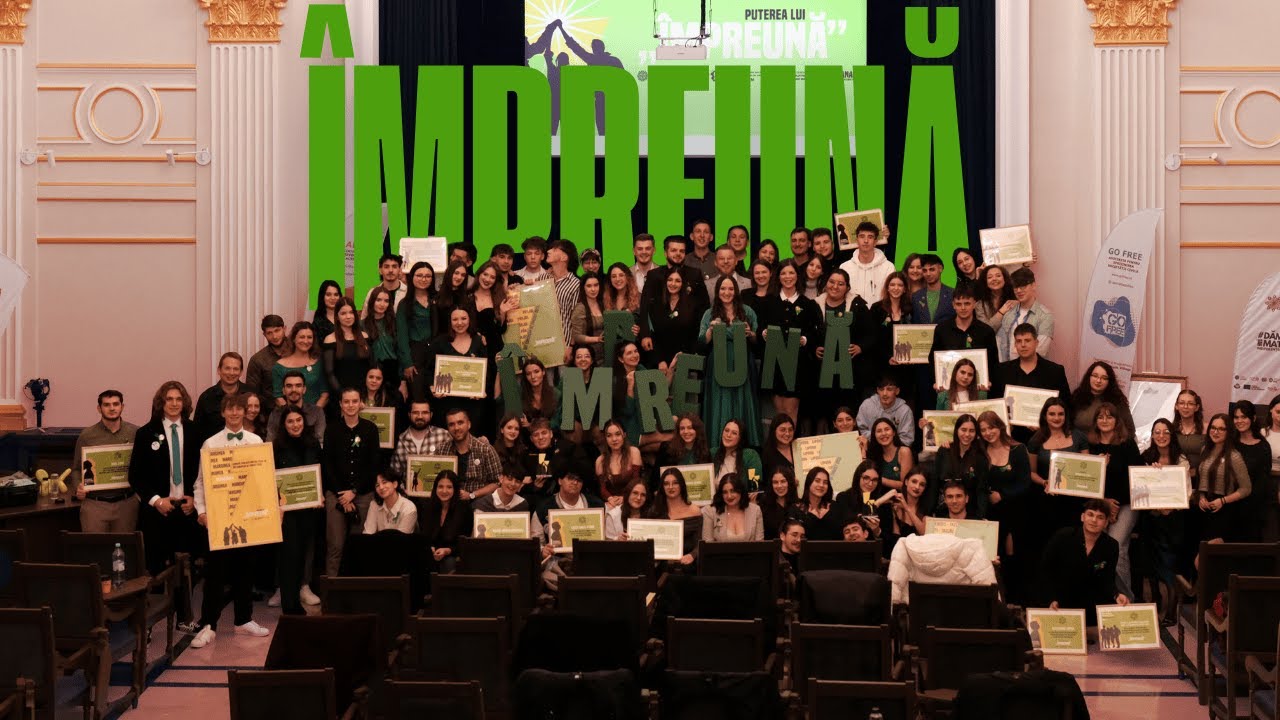
What started as a Romanian experiment is now going international. Slovakia just wrapped up its pilot—their first generation gets the European Youth Village title now, in 2026. This same year, Finland, Belgium, and Italy kick off their pilots. By 2027, Serbia, Spain, and Croatia will join in.
“We built this program from scratch right here, and now it’s officially spreading across Europe. People are seeing what’s possible,” Victor says. For three years running, the Association for Active Development has hosted the European Rural Youth Summit, bringing together young people and youth workers from across the continent. The 2025 event was in Slovakia; the 2027 event will be in Serbia.
“We’re not just changing villages anymore—we’re shaping European youth policy,” Victor adds. These summits are generating concrete public policy proposals, and the European Commission (through DG Youth and DG AGRI) is paying serious attention. “Decision-makers—national and European—are finally seeing rural youth as more than future farmers.”
Voices are rising at major European gatherings, all asking the same question: how do you replicate this model? Because this isn’t just Romania’s problem—across Europe, youths in villages feel invisible, forgotten, starved for opportunities.
The European Youth Village is proving that these young people can be the architects of their own communities. They just needed someone to believe in them first.
NOTE ON THE PROGRAM
European Youth Village is a national program launched in Romania in 2018-2019 to support the involvement of young people from rural communities in local development and entrepreneurial processes. Promoted by the Association for Active Development (ADA) and Go Free Association, the program provides mentorship, training, and visibility to youth groups that propose action plans for revitalizing their communities. Initial funding was provided through EEA & Norway Grants – the “Active Citizens” program, and later participants gained access to European resources such as Erasmus+. Through cultural, educational, and advocacy activities, the initiative creates real opportunities for developing entrepreneurial skills and strengthening youth leadership in rural areas.